Quantcast
Garnish
Showing posts with label Scotch. Show all posts

Wednesday, April 24, 2019

Islay and Olive

Islay and Olive, a dirty vodka martini with smoky Scotch

Do you ever look at a cocktail recipe and think, “That’s so weird that it just might be delicious?” That was my reaction to the Islay and Olive when I first saw it in Maggie Hoffman’s book Batch Cocktails. It’s a combination of two of the coolest, classiest drinks you can order – a dirty Martini and an Islay single malt. Both of which I adore. But I never would have thought to combine these already-polarizing liquids in the same cocktail. But it works, and it works wonderfully. The smoke of the Scotch adds a whole new dimension to the savory brine of a dirty vodka martini. Olive oil and a dash of salt turn it into something really special. Admittedly, if you don’t like dirty martinis or smoky Scotch, you will probably not like this drink. But if you like both of them, you must try it. Like immediately.

As with the Principessa di Sole I posted a few weeks ago from the same book, the recipe for the Islay and Olive was printed in batched format, with quantities for 12 servings. I love that Maggie included interesting, spirit-forward drinks like this in the book as well as the usual fruity punches. Although this one isn’t exactly the kind of thing I’d roll up to a party with and expect everyone to love. So I’ve done the math and adjusted the recipe instructions for a single cocktail.

History: This drink was created by Shaun Traxler, a bartender at Vault in Fayetteville, Arkansas.

Islay and Olive, a dirty vodka martini with smoky Scotch

Islay and Olive

1.5 oz. vodka
Scant 1.25 oz. Islay single-malt (such as Laphroaig)
¾ oz. dry vermouth
1 dash orange bitters
1 dash olive brine
1 pinch salt
Olive oil, to garnish.

Combine all ingredients in a mixing glass with ice and stir until chilled. Strain into a coupe. Garnish with a dash of olive oil (I like using my mister for ease and drama), a lemon twist, and several Castelvetrano olives (frozen, if you’d like).

Recipe adapted from Batch Cocktails. I was provided with an advance copy of the book.

Friday, September 7, 2018

Penicillin

Penicillin Cocktail

One of the things I love about cocktails is how they tie you to the past. Thanks to the recipes that have been preserved and the consistency with which many spirits and liqueurs are made, we can literally make drinks that someone would have sipped one hundred years ago.

The true test of a great cocktail is its ability to withstand the test of time. What allowed classics like the Manhattan and the Negroni to persist while other drinks were destined for obscurity in the pages of old recipe books? Obviously a classic cocktail needs to taste great. It also needs to be relatively simple. It's unlikely that a recipe involving orange foam or a fat wash is going to become ubiquitous. It needs to be something that any bartender at any bar can make.

Penicillin Cocktail

By these metrics, what cocktails invented recently do you think people will still be drinking in 100 years? If you were to pose this question to a group of bartenders or cocktail enthusiasts, I can just about guarantee that someone would mention the Penicillin. It's a modern drink that has found universal fame and appeal. And it's easy to see why. A Scotch sour is made infinitely more interesting and delicious with a honey-ginger syrup and a bit of peaty single-malt to give it a hint of smoke. Admittedly, the honey-ginger syrup does break the rules a bit - not every bar will have one ready to go. But any bartender worth her salt will be familiar with the recipe. It's undeniably a new classic.

History: The Penicillin was invented in 2005 by Sam Ross (now at Attaboy) at Milk & Honey in New York. He created it as a riff on the Gold Rush while playing around with some bottles of Scotch from Compass Box - their Asyla for the base, and the Peat Monster for the float.

Penicillin Cocktail

Penicillin

2 oz. blended Scotch (Famous Grouse)
3/4 oz. ginger-honey syrup*
3/4 oz. lemon juice
1/4 oz. peaty single-malt Scotch (Laphroiag 10-year)

Combine blended Scotch, ginger-honey syrup, and lemon juice in a shaker with ice and shake until chilled. Strain into a rocks glass over one large ice cube. Top with the single-malt and garnish with candied ginger.

*For ginger-honey syrup, combine equal parts honey and water in a saucepan and simmer gently, stirring until honey is dissolved. Add a small piece of ginger, peeled and thinly sliced. Let simmer for a couple of minutes, then remove from the heat and let sit for at least 15 minutes before straining. Let cool before using.

Recipe adapted from Punch.

Tuesday, March 13, 2018

Condado

Condado

I'm so excited today to share a cocktail made in partnership with Bacardi to celebrate the launch of their brand-new Bacardi Añejo Cuatro! This premium blended rum is aged in American Oak for at least four years. Slightly fruity with flavors of vanilla, honey, and toasted oak, it's an amazing rum for cocktails.

Bacardi Anejo Cuatro

In addition to the Anejo Cuatro, I was able to try the re-branded Bacardi Reserva Ocho and the brand new Gran Reserva Diez, which will also be released in April. I have to say a quick word about these as well, because they are fabulous. If you're skeptical that rum can be as enjoyable to sip neat as whiskey, get your hands on one of these bottles. My husband was doubtful when I offered him a glass of rum, and he has since replaced his usual nightcap of Scotch with some Bacardi on the rocks.

Bacardi Anejo Cuatro

Sipping the Bacardi Añejo Cuatro makes me think of the streets of San Juan - brightly colored houses beside shady palms and weathered seaside forts overlooking bright blue water. It's a blend of Old World elegance and Caribbean beauty, and that's what I tried to capture in this cocktail. Lime and pineapple juices are always great with rum and bring some bright tropical notes, but to emphasize the flavors of vanilla and oak, I brûléed the pineapple slices before extracting their juice. It's amazing what a bit of heat or fire can do for flavor. Brown butter, toasted spices, caramelized fruits, smoked wood or herbs... a bit of char can take a drink to an entirely different place. I have yet to use my crème brûlée torch to make actual crème brûlée, but you'd better believe it has seen some use on cocktail ingredients.

Bruleed Pineapple

Pineapple actually pairs really well with an IPA, a fact that Death & Co taught me with their Strange Brew and Savage Islands cocktails. IPAs are my favorite beers by far, and I've been meaning to try an IPA syrup in a cocktail for some time. This seemed like the perfect opportunity. Along with some Punt e Mes, the hoppy syrup adds sweetness balanced with bitterness. A dash of smoky Scotch adds the finishing touch and helps emphasize the toasted taste of the pineapple. I really like how these flavors play together, and how they all work so well with the Añejo Cuatro. Salud!

Condado

Condado

1.5 oz. Bacardi Anejo Cuatro
3/4 oz. Punt e Mes
1 oz. brûléed pineapple juice*
1/2 oz. lime juice
1/4 oz. IPA syrup**
1 dash peaty Scotch (Laphroaig)

Combine all ingredients except Scotch in a shaker with crushed ice and shake until chilled. Open pour into a large brandy snifter. Top with a little more ice and the peaty Scotch. Garnish with pineapple leaves and a piece of brûléed pineapple.

*For brûléed pineapple juice, slice a pineapple into rings, removing the rind and the core. Set rings on a cooling rack or other heatproof surface and pass a torch over them until they begin to blacken. Let cool slightly, flip rings, and repeat. To extract the juice, muddle the rings and then fine-strain the pulp. For the garnish, leave the rind on one of the rings and sprinkle a bit of sugar on before you brûlée it - this gives it a nice caramelized color.

**For IPA syrup, add 1 cup of IPA beer to a saucepan and bring to a simmer. When it foams up, add 3/4 cup Demerara sugar. Continue to simmer, stirring occasionally, until sugar is dissolved and the mixture has reduced to a syrupy consistency.

Monday, February 6, 2017

Devil's Backbone

Devil's Backbone

Before I talk about today's cocktail, some shameless self-promotion: a couple of weeks ago I submitted my Mediterranean Gimlet recipe to Nautical Gin's Gimlet contest, and now voting has begun. Check out all the entries on Nautical Gin's Facebook page and vote for your favorite by giving it a "like." You can find my recipe here - I'd appreciate your votes!

Whenever I'm feeling uninspired or I'm not sure what cocktail to make, I head over to Fred Yarm's blog Cocktail Virgin Slut. It's an incredible database of recipes - Fred posts at least one basically every day - and each one is accompanied by historical details, expert tasting notes, and often good suggestions for substituting the more unusual ingredients. A clickable list of spirits on the side of the page allows you to pick at least one thing you definitely want in your drink, helping to narrow down the vast number of recipes on the blog.

I was using this feature, browsing through the recipes that used amaro, when I came across the Devil's Backbone. It was really too intriguing to pass up. Two bitter liqueurs (Averna and Gran Classico) and a whole half ounce of peaty Scotch promised for a pretty intense cocktail. It seemed right up my alley.

Devil's Backbone

The Devil's Backbone smells intensely smokey with citrusy undertones. It's sweet and citrusy at the beginning of your sip, and then all the bitterness hits you, blending with smoke and peat at the end. It's big and complex and really wonderful - one of the best new cocktails I've made in a while.

If you're lacking some of the ingredients in this recipe, don't despair! You've got some options. For the Scotch, anything with a lot of smoke and peat will do - some examples are Laphroig, Lagavulin, Caol Ila, and Ardbeg. I used Compass Box's Peat Monster, which is a blended Scotch that I got for my peat-crazy husband - it's quite good. You could try subbing Amaro Montenegro or maybe Ramazzotti for the Amaro Averna. And Campari is a decent substitute for the Gran Classico; Fred used Campari when he made this drink.

History: Fred got this recipe from The Complete Cocktail Manual by Lou Bustamante, but it was originally created by Chris Lane at Lolinda in San Francisco. The idea behind the recipe was to use two whiskeys, two amari, and two types of bitters.

Devil's Backbone

1 oz. rye whiskey
1/2 oz. smoky single malt Scotch
3/4 oz. Averna
1/2 oz. Gran Classico
1 dash Angostura bitters
1 dash orange bitters

Combine all ingredients in a mixing glass with ice and stir until chilled. Strain into a coupe and garnish with an orange twist.

Recipe from Cocktail Virgin Slut.

Thursday, January 5, 2017

Bottle Buy: Cynar

Cynar and the Presbyterian Revenge

I am way behind on my bottle buy posts. It used to be such a rare thing when I would buy a new ingredient for my bar, but lately I've been doing it pretty frequently - probably far more frequently than I should! There's just so much great stuff out there. And while some of the best of it is quite pricey - I'm looking at you, Green Chartreuse and Amaro Nonino! - there are a lot of great bottles that are very affordable. One of these is Cynar.

If you're on a tight budget and can only buy a couple of new things for your bar, I think Cynar should be on your list. Cynar (pronounced "chee-NAHR") is an amaro flavored with artichoke and 12 other herbs and plants. It's different from anything else you've got in your bar, it's extremely versatile, and it's very cheap - around $20 for a one liter bottle. That's my kind of booze.

Vintage Cynar Advertisement

Cynar was created in 1952 by a Venetian named Angelo Dalle Molle. He sounds like pretty interesting guy. He's described as a philanthropist and entrepreneur who believed that technology would lead to a utopian world. Later in life, he invested heavily in research on artificial intelligence, setting up four research institutes in Switzerland. He died in 2001, over 90 years old.

Cynar is named after the genus of the artichoke, Cynar scolymus. It gained rapid popularity after it was introduced through a marketing campaign featuring Italian actor Ernesto Calindri with the slogan "Contro il logorio della vita moderna" or "Against the stress of modern life." In one TV spot, he was pictured sipping Cynar in the middle of traffic in Milan:


If an artichoke-flavored liquor doesn't sound up your alley, I encourage you to try a Cynar cocktail before you write it off. It doesn't really taste like artichoke. If anything, it tastes a bit like Campari, though sweeter and more vegetal. Like most amari, it's quite nice on its own as a digestif. But I also find it particularly versatile in cocktails.

Cynar

Cynar

Price: $20 for 1 liter
Alcohol Content: 16.5%
Popular Cocktails: Presbyterian Revenge, Cynar Sour, Cynar & Soda, Little Italy

It seems like everybody likes to drink Cynar differently: straight as a digestif, on the rocks with soda or tonic, up with aged rum or tequila, with orange juice, a dash in a martini or Manhattan, or swapped out for another amaro in a favorite cocktail recipe. It's a liquor that's really fun to play around with.

While there are a ton of recipes out there that call for Cynar, few seem to be as widely known as the Presbyterian Revenge. It's a riff on a classic Scotch cocktail called the Presbyterian (Scotch, ginger ale, and club soda, so named because Scotland is largely Presbyterian). It's a good intro to a very vegetal and bitter spirit, as it's extremely drinkable while still showcasing Cynar's unique flavor. Refreshing and bitter, it makes a great summer cocktail, especially for Scotch lovers. It makes me think of a boozier, more bitter, whiskey-fied Aperol Spritz.

Presbyterian Revenge

When you're making yours, don't skip the grapefruit twist! It really contributes a lot of flavor to the cocktail. If you don't have fresh grapefruit, try adding a dash of grapefruit bitters instead.

History: The Presbyterian Revenge was created by John McCarthy of Highlands in New York City. Here's a video of him making the cocktail.

Presbyterian Revenge

1 1/2 oz. blended Scotch (Black Grouse recommended)
3/4 oz. Cynar
1/4 oz. lemon juice
1/4 oz. simple syrup
Splash of club soda

Combine Scotch, Cynar, lemon juice, and simple syrup in a shaker. Add ice and shake until chilled. Strain into a rocks glass filled with ice. Top with club soda and garnish with a grapefruit twist (I used a "nest" of grapefruit peel). Stir gently before sipping. Full disclosure: the cocktail pictured is a recipe and a half.

Recipe from Serious Eats.

Monday, October 17, 2016

Mixology Monday: Dram Positive

Dram Positive

Mixology MondayIt's Mixology Monday again! This month's challenge is hosted by Fred Yarm of Cocktail Virgin Slut and the theme is mashups. The idea is to take two cocktails and combine them into one. It was a bit challenging! I played around with a lot of different ideas. Since I just featured Drambuie on the blog last week, the Rusty Nail was still fresh in my mind. I thought it would be a good candidate for a mashup cocktail because its recipe is so simple - just Scotch and Drambuie.

I decided to combine the Rusty Nail with the Penicillin, another Scotch cocktail. I haven't featured the Penicillin on the blog yet, but I really should. It's a spectacular cocktail, one that could definitely be considered a "new classic." It was created by Sam Ross, formerly of Milk & Honey and now at Attaboy in the Lower East Side. It's a mixture of blended Scotch, lemon juice, honey-ginger syrup, and a float of peaty single malt. Since Drambuie has a Scotch base and strong honey flavors, I thought it would be perfect. I stuck to a ginger simple syrup and let the Drambuie bring the honey notes itself.

You'll have to forgive this cocktail's name, but I just couldn't resist. Sir Alexander Fleming (who was Scottish, by the way) discovered penicillin when a colony of Penicillium mold contaminated a plate of Staphylococcus in his lab, inhibiting its growth. Staph is a gram-positive bacteria. This cocktail is a Penicillin with Drambuie, so... Dram Positive!

I'll just see myself out.

Dram Positive

Dram Positive

1 1/2 oz. blended Scotch (I used Famous Grouse)
1/2 oz. Drambuie
3/4 oz. lemon juice
1/2 oz. ginger syrup*
1/4 oz. Lagavulin or other peaty Scotch

Combine blended Scotch, Drambuie, lemon juice, and ginger syrup in a shaker with ice and shake until chilled. Strain into an old fashioned glass over one large ice cube. Float the Lagavulin on top by gently pouring it over the back of a spoon. Garnish with candied ginger.

*For ginger syrup, peel and slice a 1-inch piece of fresh ginger. Bring equal parts sugar and water to a simmer in a saucepan and add the ginger. Let simmer for ten minutes, stirring occasionally. Let cool completely and strain.

Thursday, October 6, 2016

Bottle Buy: Drambuie

Drambuie

I've got another new ingredient to introduce today: Drambuie. Best known for its use in the Rusty Nail, this Scottish liqueur traces its roots back to English royalty. It doesn't seem to show up in that many cocktails, but it's got a fantastic flavor that I'd like to play around with more.

Drambuie is a Scotch-based liqueur flavored with spices, herbs, and honey. The exact recipe is a well-kept secret, and has been for a long time. The main flavors I get when I taste it are anise and honey, with hints of spices and citrus. It's thick and a bit syrupy on its own. It would make a nice after-dinner drink.

Drambuie claims that the recipe was first developed by the Royal Apothecary for Bonnie Prince Charlie in the 18th century. If you're fuzzy on your British royals like I am, let me fill you in. You don't need to know this to enjoy your Drambuie, but I think it makes it a lot more fun.

Bonnie Prince Charlie was a Stuart, a member of the royal house of Scotland. His grandfather James II was King of England, but he was exiled in the Glorious Revolution for being a Catholic. James II's son, also named James, tried to regain the throne and failed, so it fell to his grandson Charles (aka Bonnie Prince Charlie), who was named regent in 1743 at the age of 23.
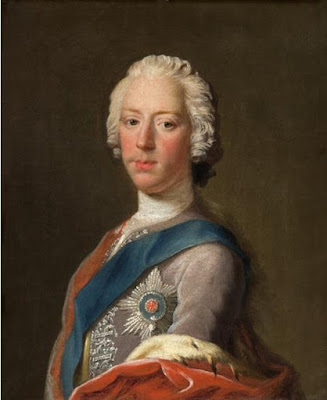
Charles Edward Stuart
Charles Edward Stuart, aka "Bonnie Prince Charlie," in 1745

With the throne of England, the legitimacy of the Catholic faith, and his family's honor hanging in the balance, one can imagine that Charlie might have needed a stiff drink every now and then. Drambuie says he would have a few drops of a concoction developed by his apothecary every day "for strength and vitality." Unfortunately, it didn't help him win the Battle of Culloden, and Charlie lost his chance to re-take the throne. He ended up on the run in Scotland, where the Highlanders protected and helped him.

Legend has it that one of these Highlanders was John MacKinnon, Chief of Clan MacKinnon, who helped Charles escape from the Isle of Skye. To thank him, Bonnie Prince Charles gave him the recipe for his liqueur. The clan passed it down for generations, until a hotel proprietor named John Ross began serving it to his patrons on the Isle of Skye in 1873. His customers loved it, calling it "an dram buidheach" in Gaelic, meaning "the drink that satisfies." It was popular enough that Malcom MacKinnon began producing it to sell in 1909, using the phrase as inspiration for its name, Drambuie.

How much of this is actually true? Probably not much. Attributing the recipe to Bonnie Prince Charles is a great marketing scheme. But you never know! After all, they're confident enough to put "Prince Charles Edward Stuart's Liqueur" right there on the label.

Drambuie Rusty Nail

Drambuie

Price: $35
Alcohol Content: 40%
Popular Cocktails: Rusty Nail, Bonnie Prince Charles, Bobby Burns

When it comes to cocktails, Drambuie is basically synonymous with the Rusty Nail. A mixture of Scotch and Drambuie with a lemon twist, it's a simple but delicious recipe. It's also quite a strong cocktail. A knock-you-on-your-ass, I-don't-even-remember-doing-that sort of cocktail. It's something about the Drambuie that just makes it go down a little too easy. My parents introduced me to it a couple of Christmases ago, and they told me their notorious Rusty Nail story: a friend of theirs had a few too many and stumbled home drunk without his house keys. He ended up kicking down his own front door in the middle of the night. The next morning his toddler asked "Is Daddy a cowboy?"

By the same token, I have a couple of friends who say they'd love to get into Scotch but they just don't like it by itself. The sweet, herbal Drambuie makes the Rusty Nail a nice gateway cocktail for would-be Scotch drinkers.

A Rusty Nail usually calls for a blended Scotch. My current favorite is Monkey Shoulder. You'll also want to experiment with the ratio of Scotch to Drambuie. Drambuie is quite sweet, so I like the 4:1 ratio here. But it can go as high as 1:1. You can also add a little squeeze of lemon juice if you want a bit more citrus.

Rusty Nail

History: According to David Wondrich, the earliest mention of a Scotch and Drambuie cocktail is in 1937, when the B.I.F. was introduced by F. Benniman for the British Industries Fair. A 3:1 ratio served up with a dash of Angostura bitters, it wasn't quite the same as a Rusty Nail. After that, Drambuie + Scotch became a somewhat common cocktail formula, but it existed under many names, from the self explanatory D & S to the more obscure Knucklehead and Mig-21. At some point, somebody started calling it a Rusty Nail. Drambuie embraced the cocktail, and their chairwoman Gina MacKinnon (yep, still a MacKinnon) mentioned the Rusty Nail by name in the New York Times in 1963, putting to rest any other contenders. At this point, it was a 1:1 formula, meant to be built in a glass. Easy and unfussy, it became a very popular cocktail to make at home during this time. It was famously enjoyed by the Rat Pack.

Something about the Rusty Nail still evokes the image of a mirrored bar cart sitting in a den full of midcentury furniture, velvet sofas, and wood-paneled walls. It's retro, almost tacky. It's what your dad drinks. In the premier of the Breaking Bad spinoff Better Call Saul, Saul Goodman makes himself a Rusty Nail at home, prompting Gothamist to write the article "Of Course Saul Goodman Drinks Rusty Nails." If you're at all familiar with the character, it totally fits. Maybe the Rusty Nail was just popular at an awkward time for cocktails - too recently to be lumped in with romantic, Prohibition-era recipes and too long ago to benefit from the current mixology renaissance. But I'd argue that it's still worthy of some attention. I hope we see a Rusty Nail comeback in the near future.

Rusty Nail

2 oz. Scotch
1/2 oz. Drambuie

Combine Scotch and Drambuie in a rocks glass with one or two large ice cubes and stir gently. Garnish with a lemon twist.

Monday, August 1, 2016

Flushing - Main Street

Flushing - Main Street

As I mentioned in my post about Crème de Cacao, the Flushing - Main Street from Tiger Mama was the cocktail that made me decide I needed to buy a bottle. I'd never seen chocolate liqueur in a cocktail with ingredients like Blanc Vermouth and Green Chartreuse, and I certainly didn't expect it to taste so good. While it is sweet, it's extremely well-balanced with nice hints of bitterness and citrus. If I didn't know there was crème de cacao in this cocktail, I'm not sure I would even guess it, but the chocolatey notes are definitely there once you look for them.

Though I did buy the crème de cacao, I had to make a couple of other substitutions in this recipe. It calls for Akasi White Oak Japanese Whiskey and Dolin Blanc vermouth, neither of which I own. For the whiskey, I subbed in a blended Scotch, and I used dry vermouth instead of blanc. I hope neither substitution is too egregious; I still find the cocktail very good. From what I've read about the flavor of the Akasi, my version is probably lighter and less smoky. There's definitely a color difference. And the dry vermouth is less sweet than the blanc, which actually suits me just fine, as this is already a pretty sweet cocktail.

History: The Flushing - Main Street comes from Tiger Mama in Boston's Fenway area. I got the recipe from Fred Yarm's blog Cocktail Virgin Slut. He says it's actually a Manhattan variation, and the name comes from a train station in Queens. The recipe was (probably) developed by Charles Coykendall, the bar manager at Tiger Mama. Here's a brief interview with him about his work there.

Flushing - Main Street

2 oz. Akashi White Oak Japanese Whiskey (I used blended Scotch)
1/2 oz. Dolin Blanc Vermouth (I used Dolin Dry)
1/4 oz. Green Chartreuse
1/4 oz. Tempus Fugit Crème de Cacao
1 dash Angostura bitters

Combine all ingredients in a mixing glass with ice and stir until chilled. Strain into a coupe glass. Garnish with a flamed lemon twist.

Recipe from Cocktail Virgin Slut.

Monday, July 25, 2016

Paris Between the Wars

Paris Between the Wars

I'm not much of a hard cider drinker these days. When I was in college, I found it to be a nice alternative to beer, which I really didn't have much of a taste for. But eventually I saw the error of my ways and ditched the cider in favor of a good IPA. I do think the idea of hard cider as a cocktail ingredient is a pretty intriguing one. It's got the fizz and sparkle of champagne with a decidedly different flavor. And the Paris Between the Wars uses it perfectly.

This lovely cocktail combines bitter Campari, rich Scotch, and sparkling hard cider with lemon and simple syrup. It's sweet, bitter, and tart all at once. Together the flavors are wonderfully rich. It's an elegant, unexpected cocktail that I'd happily make again and again.

The flavor of this drink will definitely be influenced by the hard cider you use. I had a couple of bottles of Angry Orchard left over from a party, and while I still really enjoyed the cocktail, it's definitely optimized for a drier cider. If you're using something sweeter like I did, I recommend reducing the simple syrup a little. Or not - try it and see what you like!

History: Isn't Paris Between the Wars such a wonderfully evocative name? This cocktail was invented by Abigail Gullo at Sobou in New Orleans, and I wish I knew how she chose the name. Whatever the reason, it's oddly fitting for this elegant, bittersweet libation.

It turns out there are a few different versions of this recipe out there. This one from the Daily Meal uses more Scotch, honey simple syrup, and pear cider. And Sobou's menu replaces the Campari with Luxardo bitter. There's definitely some room to play around with these ingredients, but I like Imbibe's version below just fine.

Paris Between the Wars

3/4 oz. Scotch
3/4 oz. Campari
1/2 oz. lemon juice
1/2 oz. simple syrup
3 oz. dry hard cider (Crispin recommended)

Combine all ingredients except cider in a shaker with ice and shake until chilled. Strain into a champagne glass. Top with cider and garnish with a lemon twist.

Recipe from Imbibe.

Wednesday, April 27, 2016

Sherlock & Watson

Sherlock & Watson

I've got a list of cocktail recipes a mile long that I would make if I had the right bitters. There are so many different kinds I'd like to buy. They're much cheaper to invest in than spirits, but their effect in cocktails is also more subtle, so it feels like a bit of a trade-off. Since I'm on a budget, I try to think hard about what I can buy for my bar that will give me the most mileage.

So I was pretty thrilled when I found out that Scrappy's sells sampler packs of their bitters. I generally don't make a big dent in my bitters bottles, so buying tiny sizes in a variety of flavors seemed perfect. When I took a trip to the Boston Shaker the other day, I snapped up the pack with grapefruit, chocolate, lavender, and cardamom. (I also bought the nifty coupe in the photo!)

Scrappy's Bitters

I've definitely learned that it's worth buying better bitters. I used to stock up on Fee Brothers because they were cheap, but there was a specific cocktail that changed my mind. I made the Means of Preservation with their celery bitters a few months back. Then I had the same cocktail at Backbar with Scrappy's celery bitters instead. It was an entirely different drink. I liked it with Fee's, but I loved it with Scrappy's. I was a convert.

The Sherlock & Watson was first on my list of recipes to make with my beautiful new bitters. Scotch, lemon, and an Earl Grey honey syrup are given a spicy, aromatic boost with cardamom bitters. It's perfection. If I had been creating this recipe, I probably would have reached for bourbon or rye, but I always tend to forget about Scotch as a cocktail ingredient. Here, it provides a delightfully subtle smokiness, the intensity of which will depend on what you use. The original recipe recommends American single-malt whiskey or Highland Scotch. I can just imagine making this cocktail with a rich Scotch like Highland Park - it would be even more dreamy. But the only single malts we have in our bar at the moment are the peat-bombs my husband is currently into, so I used some Johnny Walker Red that inexplicably found its way into our possession following a weekend with friends. It still worked well. But the better the whiskey, the better this cocktail will surely be!

History: The Sherlock & Watson was created by Kenaniah Bystrom at Essex in Seattle.

Sherlock & Watson

Sherlock & Watson

2 oz. Scotch or American single-malt whiskey
1/2 oz. lemon juice
1/2 oz. Earl Grey honey syrup*
2 dashes Scrappy's cardamom bitters

Combine all ingredients in a shaker with ice and shake until chilled. Strain into a coupe glass and garnish with a lemon twist.

*For Earl Grey honey syrup: Pour 8 oz. boiling water into a saucepan. Add an Earl Grey teabag and let steep for 10 minutes. Remove the tea bag and add 16 oz. honey (or, if you want to make less, use a ratio of 2:1 honey to tea mixture in the desired quantity). Heat the mixture on medium heat, stirring until the honey is dissolved. Let cool completely before using.

Recipe from Food52.

Wednesday, February 24, 2016

Cooper Union

Cooper Union

I'm officially a fan of cocktails that include a bit of smoky, peaty Scotch. I've enjoyed trying different recipes that use it, from the popular Penicillin to the more obscure Avery's Arrack-Ari. I even took a stab at using some in my own recipe with the Blood and Smoke.

It was the Scotch rinse - along with the inclusion of St. Germain, which I have not been using nearly enough lately - that sold me on the Cooper Union. And it's just as good as I imagined. I really like the play of the smoky Scotch with the sweet and floral St. Germain. The orange bitters and twist of lemon add a perfect hint of citrus. This was one that we drank several nights in a row after discovering it. It's the perfect cocktail to sip on in the evening after a long day.

I probably know less about Irish whiskey than any other sort (except maybe Japanese), and I didn't have a bottle in my bar until recently. I went ahead and bought GrandTen Distilling's South Boston Irish Whiskey, which is bottled quite close to where I live. It's quite affordable and very tasty. I thought it worked well in the Cooper Union. I'd love recommendations for other go-to Irish whiskeys for cocktails.

Cooper Union

2 oz. Irish whiskey
1/2 oz. St. Germain
1 dash orange bitters
Laphroig rinse (I used Lagavulin)

Pour a small amount of the Scotch into a rocks glass and turn the glass to coat the edges. Combine whiskey, St. Germain, and bitters in a mixing glass. Stir with ice until chilled. Strain into the prepared glass. Garnish with a lemon twist.

Recipe from Wine Enthusiast.

Monday, January 18, 2016

Mixology Monday: Blood and Smoke

Blood and Smoke

It snowed last night in Boston. I woke up to see a beautiful, smooth blanket of white on my balcony, all the neighboring roofs dusted with snow. I stood in my pajamas gazing at the tranquil winter scene, sipping my coffee, feeling at peace with the world.

Then I remembered: shoveling.

Nothing kills the magic of winter quite like home ownership. We moved to Boston from Louisiana, and for the six years that we rented, we never had to worry about the snow. We'd walk right out of our door onto the (usually) shoveled walk and go about our day. Since we didn't even have a car, I never touched a shovel. Snow remained a magical, beautiful thing, at least when it was freshly-fallen.

Then we bought a condo, and last winter the shoveling began. It's not that bad when there's just a few inches on the ground like today, but unless you've successfully blocked it out, you probably remember that more than just a few inches fell last winter. I got very, very tired of shoveling. Maybe if we avoid any more record-breaking snowfall this year, I'll be able to rediscover my love of snow. But until then, shoveling it is.

Mixology Monday The only really good part about shoveling snow is that moment when you come inside, hot and cold and the same time, shake off your boots and jacket, and have something to drink. This morning, I swear a mug of hot coffee has never tasted better. And last winter, when we shoveled in the evenings, nothing was better than a cocktail.  So it's fitting that the theme for this month's Mixology Monday, hosted by Doc Elliot, is Brace Yourself. The Doc asks, "What adult beverages can best prepare the body and steel the will for that moment when we go forth into Winter?"

Blood and Smoke

Some drinks really do lend themselves perfectly to winter weather. Bourbon and Scotch, red wine and brandy. There's hot toddies and mulled wine and spiced cider. And sometimes it's great to try and forget that it's winter at all, with Tiki cocktails or winter citrus that tastes like summer. I never used to pay much attention to all the winter citrus fruits that pop up in grocery stores right around now, but this year I've been taking advantage of the variety: satsumas, tangerines, clementines, and of course blood oranges. I've never bought blood oranges before. It's pretty hard to find them at other times of the year. But now there are piles of them, and I couldn't wait to try them in a cocktail.

In the Blood and Smoke, I combined the bright taste of blood orange with the spicy and smoky flavors of rye whiskey and Scotch. It's a cocktail that warms away the winter chill while giving just a hint of summer to hold you over. It's quite similar to an Old Fashioned in flavor, except that the blood orange is richer and more tart, and a rinse of a peaty single-malt Scotch gives it a subtle smokiness.

I can't wait to see the bracing concoctions that everyone else whips up. It's only January - I think we're going to need them.

The roundup for Mixology Monday CV is here!

Blood and Smoke

Blood and Smoke

2 oz. rye whiskey
1 oz. blood orange juice
1/4 - 1/2 oz. simple syrup (depends a fair bit on the tartness of your blood oranges)
1 dash Angostura bitters
Scotch rinse (use a smoky single malt like Lagavulin or Laphroig)

Combine rye, blood orange juice, simple syrup, and bitters in a mixing glass. Add ice and stir until well-chilled. Strain into an Old Fashioned glass that has been generously rinsed with the Scotch. Add one large ice cube. Garnish with a slice of blood orange.

Thursday, December 31, 2015

Curative

Curative cocktail

It's New Year's Eve! This has always been one of my favorite holidays. Everyone gets dressed up, drinks champagne, and toasts to new beginnings. I've never been big on formal resolutions, but I do see the new year as an opportunity to start fresh. I feel like you can tell that other people do, too. Everybody is a bit nicer around this time, a bit more determined to be better in one way or another.

I aspire to one day host an annual New Year's Eve party. Like a big formal affair, with lots of confetti and champagne cocktails where everybody dresses up. But ever since I became old enough to do so, I've never had the opportunity - as most of our friends are either graduate students or medical residents, they're out of town or working on New Year's. I'm sure one day my glamorous dreams will come true, but until then I'll enjoy quiet evenings with family and close friends. And, of course, champagne cocktails.

Curative cocktail

I have expounded at length on my love of champagne and all cocktails that use it, so I won't go into it yet again. But I love how many great recipes pop up around New Year's. I'm happy to share an original recipe today. I was going to make Ginger Sparklers with honey-ginger syrup when I came across the Auld Lang Syne over at Bit by a Fox. It's a sparkling wine cocktail that includes my current favorite Scotch, Highland Park 12-year. For some reason, adding Scotch to champagne never occurred to me. I thought about adding it to this one, and realized that I was inching towards a sparkling version of a Penicillin, a "new classic" that mixes ginger-honey syrup with lemon juice and Scotch. It seemed like a pretty good idea.

But what to call it? Naming a cocktail can be tricky if you want to pick something new. Since this is a riff on the Penicillin, I really wanted to call it a Panacea, but apparently I'm not the only one who had that brilliant idea. I also toyed with the idea of naming it after Alexander Fleming, the scientist who discovered Penicillin, but it turns out Fred Yarm of Cocktail Virgin Slut already did that, and for a very similar recipe, too. As I'd never seen it before, I'd like to believe that great minds think alike.

Keeping with the antibiotic theme (and since Ciprofloxacin just doesn't have that nice ring to it), I'm calling this the Curative cocktail. It's rich and bubbly, with hints of ginger spice. The candied ginger makes a lovely garnish, and if you drop it in your drink the sugar slowly dissolves, kind of like the sugar cube in a champagne cocktail. I think it's one of my better inventions.

Cheers, and happy New Year!

Curative cocktail

Curative

1/2 oz. blended Scotch whiskey (I used Monkey Shoulder)
3/4 oz. honey-ginger syrup*
sparkling wine

Combine Scotch and syrup in a shaker. Add ice and shake until chilled. Strain into a champagne flute. Top with champagne or other sparkling wine. Garnish with a piece of crystallized ginger.

*For honey-ginger syrup: combine 1/2 cup honey, 1/2 cup water in a saucepan. Add a 3-inch piece of fresh ginger, peeled and thinly sliced. Let the mixture come to a simmer so that honey is dissolved. Turn off the heat and let it sit for at least 10 minutes. Strain out ginger and let cool before use.

Monday, June 22, 2015

Bottle Buy: Batavia Arrack

Batavia Arrack

Most of the spirits I've recommended so far have been pretty common; I'd be shocked if the average bar didn't stock them, and a lot of people probably have a bottle at home. But Batavia Arrack is admittedly obscure. If you're building a bar on a limited budget, I wouldn't really recommend it. But if you've got the standard stuff and you're looking to branch out with some more unusual ingredients, Batavia Arrack might be for you.

I was first introduced to Batavia Arrack at Russell House Tavern in Harvard Square. They make an absolutely fabulous cocktail called a Battle of Trafalgar that I decided I had to learn to make at home. This was before I got really into cocktails, and my bar was pretty sparse. I found the recipe on Fred Yarm's blog Cocktail Virgin, and started hunting down the ingredients. And the most unusual one by far was Batavia Arrack.

Batavia Arrack is a spirit distilled from sugarcane and red rice on the island of Java, the most populous island in Indonesia. This was extremely surprising to me given that nearly 90% of Indonesia's population is Muslim; it doesn't really seem like the sort of place they would be making much liquor. But Arrack has been made there a long time, and it was brought to Europe by the Dutch East India Trading Company in the 17th century. Back then, Java was known as Batavia.

Batavia Arrack


Arrack was produced in many Asian countries, but as it was made from a variety of ingredients, each sort is really its own unique spirit. Batavia Arrack seems to have been the most popular variety. Though most people today have never heard of arrack, in the 1600's it was an extremely common ingredient, particularly in punches. In fact, the word "punch" comes from the Sanskrit word for five, after the five ingredients in the original punch recipe brought from India: alcohol, sugar, lemon, water, and spices. This exotic drink was brought to Europe by the British East India Company, and rapidly spread in popularity. Batavia Arrack was also brought over by the Dutch, who were soon exporting it all over the world for thirsty punch-drinkers.

If Batavia Arrack was a common ingredient in cocktails for nearly 200 years, why haven't most people heard of it today? It seems it was surpassed in popularity by Caribbean rum in the 1800's. Taxes on spirits imported from Asia led Europe to turn its gaze across the pond. The final nail in arrack's coffin was World War II, which essentially caused most countries to cease production. Java carried on at a much smaller scale, preserving this recipe for us today.

And now Batavia Arrack is making a comeback. With mixologists resurrecting old recipes and spirits left and right, it's no surprise that Batavia Arrack is finding its way into cocktails once again. Currently, there is only a single brand available in the US, van Oosten. It's definitely not at every liquor store, but it wasn't hard to find in Boston.

The flavor of Batavia Arrack is similar to rum, but somewhat coarser. It has a faint smokiness. Mixologists praise it for its ability to enhance the flavors of ingredients that it's paired with. Spirits importer Eric Seed, one of the folks responsible for making Batavia Arrack available in the US once again, compares it to vanilla extract: not good on its own, but amazing when mixed.

Avery's Arrack-Ari

While the Battle of Trafalgar was my introduction to Batavia Arrack, it isn't really the best way to show off this new spirit; the main ingredient in it is Pimm's No. 1, which I haven't even talked about yet on this blog. We'll get to both Pimm's and the Battle of Trafalgar eventually, but for now I have a different Batavia Arrack recipe that I first tried at Green Street in Cambridge that gives this Javan spirit a starring role.

Avery's Arrack-Ari is basically a Batavia Arrack Daiquiri, but a Scotch wash really gives it a whole other dimension. The recipe recommends Talisker 10 year, which I didn't have; I don't think there's ever been more than one bottle of Scotch in our house, and the current one is a favorite I tasted in Scotland last month, Highland Park 12 year. I think it has the perfect balance between sweetness and smokiness for sipping on its own. It's probably not quite smoky enough for this recipe, so I added a little extra. That hint of smoke is just perfect with the Batavia Arrack, bringing out the spicy and smoky notes of the spirit.

History: This drink was invented by Avery Glasser, co-founder of Bittermen's.

Avery's Arrack-Ari

Avery's Arrack-Ari

1 1/2 oz. Batavia Arrack
1/2 oz. lime juice
1/2 oz. simple syrup
Talisker 10 year rinse (or other smoky Scotch)

Combine Batavia Arrack, lime juice, and simple syrup in a shaker. Add ice and shake until chilled. Pour a small amount of the Scotch (~1 tsp or less) into a cocktail or coupe glass and turn the glass to coat the sides. Strain the cocktail into the glass and garnish with a wedge of lime.

Recipe from cocktail virgin slut.

Monday, April 27, 2015

Bar School: Whiskey


After tackling gin, the next obvious spirit for me to learn a bit more about was whiskey. I like whiskey and all its varieties quite a bit, but until now I didn't really have a good handle on the different types. What's the difference between bourbon, rye, scotch, and whiskey? What does it mean to have a wheated or high-rye bourbon? What's the deal with single malt vs. blended scotch? So I did a little research. Here is what I've learned so far.

Whiskey (spelled whisky in some countries), is a distilled alcohol made from fermented grain mash and then aged. Grains used include rye, wheat, corn, and barley. Bourbon, rye, and scotch are all types of whiskey that are made in specific places from specific ingredients.

Bourbon whiskey must be made in the United States from at least 51% corn (most are 60-70%), stored in charred oak barrels, entered into the barrel at no more than 125 proof*, distilled to no more than 160 proof, bottled at no less than 80 proof, and have no added flavoring or coloring. Kentucky is the largest producer of bourbon, and the spirit was probably named after Bourbon County. Bourbon is sweeter and more full-bodied than other whiskeys.

The proportions of different grains that make up the mash (the "mash bill") have a big impact on the flavor of a bourbon. Rye is usually the secondary grain, and barley commonly makes up the rest. Most bourbons are 8-10% rye, but others have a much higher percentage. These high-rye bourbons will inch closer to rye whiskey in flavor, with fruitier and spicier notes. Some common varieties are Four Roses Single Barrel, Bulleit, and Basil Hayden.

Wheated bourbons, on the other hand, replace rye entirely with wheat. This produces a softer flavor. Maker's Mark is a wheated bourbon, as is the legendary Pappy Van Winkle Family Reserve.

I just learned that there are also high-corn bourbons, inching above the 70% mark. This makes them sweeter, which is something I'd like to try. Old Charter is one example, with over 80% corn.

I've got a few friends who are really into bourbon, and two bottles they consistently recommend are Woodford Reserve and Angel's Envy. Both are good options if you'd like something to sip on.

While we're on bourbon: Tennessee whiskey such as Jack Daniels is actually bourbon, but for whatever reason the Tennessee distilleries resist that label. Most Tennessee whiskey is distinguished by the use of a charcoal filter.

Rye whiskey has the same requirements as bourbon whiskey, but it must be at least 51% rye. Corn is usually the secondary grain, with barley making up the rest. This gives rye a fruitier, spicier flavor than bourbon. Cocktails made with rye will be less sweet than those made with bourbon. Note that Canadian whiskeys are sometimes called rye whiskeys, but they are not held to the same standards as US rye and may not contain rye at all.

My go-to rye is Old Overholt because it's impossible to beat for the price (under $20). I recently got a bottle of Rittenhouse, which is stronger than most rye at 100 proof, and honestly didn't like it; I found it to have a menthol flavor that was overpowering. But a lot of folks recommend it, and to each his own.

Malt whiskey uses primarily malted grains in its production. Malting is the process of allowing the grains to germinate and then drying them. Malted barley is the most common type, and is included in small percentages in most bourbon and rye as well; since it's not the primary grain, these are still considered grain whiskeys.

Scotch whiskey is malt whiskey made in Scotland from malted barley and aged in oak barrels for at least three years. "Single malt" scotch is made from only water and malted barley at a single distillery, whereas blended scotch whiskey contains both malt whiskey and grain whiskey. Scotches can taste very different from one another, but most are smoother than other whiskeys and many have a smoky, peaty flavor.

Irish whiskey is whiskey produced in Ireland. The terminology used to describe it (single malt, blended, etc.) follows that of Scotch. While there are a lot of characteristics shared by most Irish whiskey, such as using malted grains and triple-distilling, as far as I know none of these are universal and they certainly aren't required. The most popular varieties are blended whiskeys, including Jameson and Bushmill's.

As you can see, some of these categories are not mutually exclusive, and it can get a little complicated. I'm still not 100% clear on a few aspects! If you're interested in getting more into whiskey, the best thing to do is taste a lot of different types and figure out what you like. I haven't tasted nearly enough whiskey to be preaching about what's good, but now I'll know what to notice when I find a bottle I like, and what to look for when I want to try something new.

*While we're on the basics, a bit of terminology when it comes to alcohol content: alcohol proof is equal to double the alcohol by volume percentage (ABV). So a spirit that is 40% ABV is 80 proof. This terminology goes way back to 18th century Britain, and we'll have to talk about it another time.