Quantcast
Garnish
Showing posts with label Mint. Show all posts

Wednesday, May 2, 2018

Pineapple Rum Julep

Pineapple Rum Julep

It's the first week of May, and you know what that means: Juleps. Or Margaritas. Or weird combos of both. Because the first week of May is when we celebrate two of America's favorite excuses to drink: the Kentucky Derby and Cinco de Mayo. Because let's face it, that's really all they both are. The Kentucky Derby lasts all of two minutes if you don't count the time you spend drinking Mint Juleps before the race, and the average American probably couldn't tell you what Cinco de Mayo even celebrates other than the stellar combination of lime and tequila. But I like how both events inspire my favorite cocktail sites to come up with creative variations on these two iconic drinks. And since it's been a while since I made a julep, I figured I'd join the party.

Pineapple Rum Julep

A julep is a combination of a spirit, a sweetener, and usually herbs or other flavoring. This drink has a long history (more of it can be found here), likely beginning in the Middle East with a rosewater beverage called a gulab. As it made its way to Europe and on to America, spirits and mint were added. Juleps were often prescribed as health tonics, and early American colonists would drink them in the morning for their health. Before whiskey became the ubiquitous American spirit, they were usually made with rum.

Pineapple Rum Julep

Since I'm falling more and more in love with rum these days, and in honor of those early juleps, I decided to make a rum julep to celebrate the upcoming Derby Day. I thought a pineapple syrup would be a really nice combo with some good aged rum and fresh mint. I tried a couple of bottles and settled on Bacardi Añejo Cuatro, which is bright and fruity and really shined in this recipe. Making the syrup takes a bit of prep work, but otherwise it's a deceptively simple cocktail - as juleps often are. That's one of the things that makes them so good.

Pineapple Rum Julep

Pineapple Rum Julep

2 oz. aged rum (Bacardi Añejo Cuatro)
3/4 oz. pineapple syrup*
5 large mint leaves

Place mint leaves in the bottom of a julep cup. Add pineapple syrup and muddle gently, bruising the mint but not breaking it up. Then add the rum and stir a little. Fill the cup with crushed ice and garnish with a dried pineapple slice and a bunch of mint. Heap a little more crushed ice on top and serve with a straw.

*For pineapple syrup, combine 1/2 cup water and 1 cup sugar in a saucepan and bring to a simmer, stirring to dissolve the sugar. Add 1 cup fresh pineapple, cut into chunks. Simmer for about five minutes. Crush the pineapple with a potato masher or the back of a spoon and continue to simmer for five more minutes. Let cool and fine-strain out the pineapple pieces. Store in the fridge.

Thursday, June 1, 2017

Mocktail: Old Cuban

Non-alcoholic Old Cuban

A couple of weeks ago, I was scouring the internet for good spots in Boston to grab a mocktail with a pregnant friend. Luckily, there are several articles out there discussing what bars and restaurants have good non-alcoholic options. One place that comes up repeatedly is, unsurprisingly, Eastern Standard. Their cocktails are fantastic, it made sense that they'd do an excellent job on their non-alcoholic options as well. A couple of sites listed one drink that they make in particular, a non-alcoholic version of an Old Cuban. This is one of my favorite cocktails, so I was definitely intrigued. I decided to try and make my own Old Cuban mocktail at home.

The Old Cuban is usually made with aged rum, mint, simple syrup, lime, bitters, and sparkling wine. The rum would be easy enough to omit, and the bitters could remain for my purposes. The real challenge was a substitute for the sparkling wine. There are all sorts of sparkling grape juices and ciders out there, but I find most of them too fruity and sickeningly sweet. Eastern Standard uses one I had never heard of called Fre Brut. Fre makes a variety of different non-alcoholic wines, and I had high hopes for the Brut. After all, Eastern Standard's endorsement means a lot. If it tasted anything like real champagne, I was ready to buy every varietal they sell - I'm definitely at the point in this pregnancy where I would love a glass of wine.

Non-alcoholic Old Cuban

Unfortunately, while the Fre Brut is tasty, it's still strongly reminiscent of the sparkling grape juice we used to have as kids on New Years Eve. I was hoping for something dry, but it's quite sweet. And indeed, the second and third ingredients after dealcoholized wine are grape juice and grape concentrate. I wonder what it would taste like if they left the wine as-is. If anyone knows of a drier non-alcoholic sparkling wine, let me know! I'd be all over it.

Still, I decided to proceed with my Old Cuban recipe, and I'm glad I did. I simply reduced the amount of simple syrup to make up for the sweetness of the Brut, and it turned out really, really good. It might be the closest in flavor to an actual cocktail that I've come. The fizz, the sour lime, and the familiar flavor of the Angostura work together to really mimic its alcoholic namesake. You might even be able to fool someone. I think it's the best mocktail I've made yet!

Booze it up: The alcoholic version of this drink is here.

Non-alcoholic Old Cuban

Old Cuban

9 mint leaves
3/4 oz. simple syrup
1 1/2 oz. lime juice
4 dashes Angostura bitters (omit if you are avoiding alcohol entirely)
4.5 oz. non-alcoholic sparkling wine (I used Fre Brut)

Combine mint leaves and simple syrup in the bottom of a shaker and muddle. Add the lime juice and bitters. Fill the shaker with ice and shake until chilled. Fine-strain into a coupe glass and top with the sparkling wine. Garnish with a mint leaf.

Wednesday, May 17, 2017

Mocktail: Consolation Prize


This is a mocktail recipe I've had bookmarked for a while, since long before I became pregnant. It comes from Smitten Kitchen, one of my absolute favorite food blogs. It's basically my go-to for looking up basic recipes, and browsing the archive by ingredient is an endless source of inspiration on nights when I have no idea what to cook. Every recipe I've tried from the blog has been delicious. So when I saw that Deb had posted a mocktail recipe during her pregnancy, I immediately bookmarked it, knowing the day would come when I too would be pregnant and desperate for something resembling a cocktail. The fact that it's basically a combination of a Pina Colada and a Mojito - arguably two of the most delicious summer drinks - only made me want one even more.


This drink is so delicious and refreshing. The smooth, creamy coconut milk smooths out the tart lime and pineapple into tasty perfection. The club soda lightens it up quite a bit, depending how much you use, and turns it from a thick and creamy treat to a refreshing summer sipper. There aren't many mocktails out there that make you feel even luckier than the folks who can drink, but this is one.

Also, can we just talk about the genius name for a minute? Possibly the best mocktail name ever.

Booze it up: I agree with Deb that rum would be the way to go. I'd reach for white rum myself, but as she points out, an aged rum similar to what you'd use in a Pina Colada would probably be lovely as well.


Consolation Prize

5 mint leaves
2 oz. pineapple juice
1 1/2 oz. coconut milk (well-shaken)
1/2 oz. lime juice
1/4 oz. honey
Club soda, to taste

Place mint leaves at the bottom of a shaker and muddle lightly to release the flavor. Add the pineapple juice, coconut milk, lime juice, and honey. Fill the shaker with ice and shake until chilled. Strain into a rocks glass filled with ice and top with club soda. Garnish with lime wedges, mint leaves, and/or pineapple slices.

Recipe adapted from Smitten Kitchen.

Wednesday, September 14, 2016

Silver Monk

Silver Monk

When I bought my bottle of Yellow Chartreuse, the Yellow Monk was one of the first cocktails I wanted to make with it. I thought the Chartreuse would be perfect with tequila and cucumber, and it really is. The flavor combination works so well. If you don't have Yellow Chartreuse, you could definitely try the recipe without it. It won't be the same cocktail, but I don't think you could go wrong with this combination of flavors.

One interesting aspect of this recipe is the pinch of salt added to the shaker while you muddle the mint and cucumber. This adds a really nice depth of flavor to the cocktail. To get an idea of what it's doing, try eating a slice of cucumber by itself and then another one with a pinch of salt on top - it really brings out the taste. And it works with tequila and lime just like it does on the rim of a margarita glass. But be careful not to overdo it!

Silver Monk

I'm proud to say that I grew both the cucumber and mint in this cocktail myself! I made it a few weeks ago after my garden produced its first cucumber. I was quite proud of my green thumb. The plant made several more gigantic fruits, and then promptly withered and died. And my mint is now struggling to stay alive after battling an aphid infestation. So it looks like this might be my last Silver Monk for a while unless I want to run to the grocery store. Maybe I have a green pinkie?

History: The Silver Monk is another tequila creation by Phil Ward at Death & Co in 2007. He's now the brains behind Mayahuel in New York City. Other great cocktails he's created include the Joy Divison, Cinnsation, Oaxaca Old Fashioned, and Division Bell.

Silver Monk

2 oz. blanco tequila
3/4 oz. Yellow Chartreuse
1 oz. lime juice
1/2 oz. simple syrup
2 slices cucumber
7 mint leaves
Pinch of salt

In the bottom of a shaker, muddle the mint and cucumber with the simple syrup and salt. Add the tequila, Yellow Chartreuse, and lime juice. Fill the shaker with ice and shake until chilled. Fine-strain into a cocktail glass or coupe and garnish with a cucumber spear and a sprig of mint.

Recipe from Food & Wine.

Tuesday, August 23, 2016

Mixology Monday: Cool as A...

Cool as A...

Mixology Monday
I was so excited about making shrubs for this month's Mixology Monday hosted by Mr. Muddle that I couldn't stop with just one. My garden is producing gigantic cucumbers faster than I can find ways to use them, so there was no way one of them wasn't going to end up in a shrub.


If you missed yesterday's post, check out the You Say Tomato for a little info on shrubs. These mixtures of fruit, sugar, and vinegar are deliciously tangy and make great additions to cocktails and mocktails. They're perfect for this month's theme of vinegar.

I felt like my tomato shrub came out a little too sweet, so I knew to use a bit less sugar for this cucumber shrub. I opted for champagne vinegar, which I thought would work well with the lighter flavor of the cucumbers. White wine vinegar would be another good option, but I don't recommend using regular white vinegar - its flavor is pretty harsh, and apparently it's not the best choice for shrubs.

It's important to taste your shrub as you go along, especially when adding the vinegar, so you don't overdo it. I think I nailed proportions with this one. It's sweet and tangy and refreshing. Shrubs are definitely going to be a regular addition to my cocktails from now on!

Cucumber Shrub

1 lb. cucumber, diced
1 cup sugar
1/4 cup champagne vinegar

Stir cucumber and sugar together in a bowl. Cover with a dish towel and let it sit on the counter for 48 hours, stirring once a day. The cucumbers will release a lot of water. After two days, strain the mixture into a cup measure. Mine made about 1 2/3 cup of syrup. I poured off the extra 2/3 of a cup and set it aside to adjust the final mixture. To the remaining 1 cup of syrup, add 1/4 cup champagne vinegar one tablespoon at a time, tasting as you go. If the shrub becomes too vinegary, add some more syrup.

Recipe adapted from Food52.


Cool as A...

As with the You Say Tomato, I wanted to keep this cocktail pretty simple and let the flavor of the shrub shine. I thought tequila and mint would work well with the tangy cucumber shrub. I was surprised by how much it blended with the other ingredients; whereas the tomato shrub in the You Say Tomato is front and center, in this recipe it more subtly enhances the cocktail with tart and savory notes. You can't go wrong with these flavors in the summertime. This is an utterly refreshing, completely delicious drink.

Cool as A...

1 1/2 oz. tequila blanco
1 oz. cucumber shrub
1/4 oz. lime juice
1/4 oz. agave syrup
6 mint leaves
2 oz. club soda

Combine mint leaves and agave syrup in a shaker and muddle gently. Add tequila, cucumber shrub, and lime juice. Fill shaker with ice and shake the mixture until it's well chilled. Strain into a rocks glass filled with ice. Top with club soda and stir gently. Garnish with a cucumber ribbon and a sprig of mint.

Wednesday, May 4, 2016

Champagne Julep

Champagne Julep

This weekend is the Kentucky Derby, and everybody is going to be drinking Mint Juleps. The Mint Julep isn't really one of my go-to cocktails; I personally prefer the Whiskey Smash, which makes the important addition of lemon juice to an otherwise very sweet cocktail. But you can't drink a Whiskey Smash while watching the Kentucky Derby - it's got to be a julep. So if, like me, the traditional Mint Julep isn't your favorite, I humbly suggest this variation: the Champagne Julep. It has all the flavor of a Mint Julep drawn out on a beautiful canvas of sparkling wine. It's the perfect twist on the traditional Kentucky Derby beverage.
History: I don't have any information on this one! I got the recipe from Punch, but they don't credit it to anyone. It may be their own invention. There's another Champagne Julep recipe floating around that uses sherry, and it's referred to as a "1940s Champagne Julep," so it seems the concept goes back at least that far.

Champagne Julep

1/2 oz. Cognac
3 oz. champagne or other sparkling wine
1/2 oz. simple syrup
1 dash Angostura bitters
6-7 mint leaves

In a julep tin or rocks glass, combine mint leaves and simple syrup and muddle. Add Cognac, bitters, and champagne. Fill with crushed ice and stir gently. Mound more crushed ice on top. Garnish with a sprig of mint and a lemon peel.

Recipe from Punch.


Wednesday, April 13, 2016

Mixology Monday: Cape Cod Swizzle

Cape Cod Swizzle

I dropped the ball on the last couple of installments of Mixology Monday, but I'm happy to be back for April's theme of Swizzles, hosted by Fred Yarm of Cocktail Virgin Slut. I was particularly happy about this theme, because I've never made a swizzle before. I've had the well-known Queen's Park Swizzle a couple of times, but I've never made one at home. I was excited to learn more about them and come up with a recipe of my own.

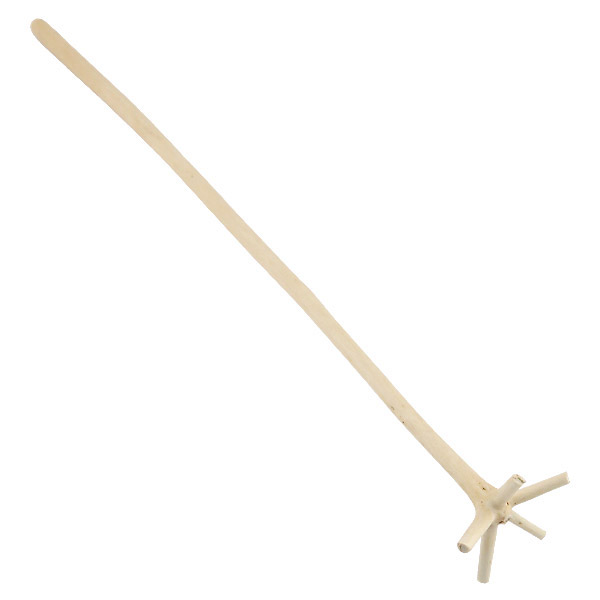
A swizzle is a cocktail that is made with crushed ice that is then mixed using a unique "swizzle stick." We tend to call anything you stick into a cocktail a swizzle stick, but the real thing looks like this. It's inserted into the cocktail, which is served in a tall glass filled with crushed ice, and twirled by rubbing it between your palms ("as if you were a boy scout making a fire," as David Wondrich aptly puts it). This process originated in the Caribbean, where mixtures of spirits, sweeteners, and citrus were swizzled to frosty perfection as early as the late 1800's.

Since it's the first time I've made a swizzle, I didn't want to make my recipe too unusual. I decided to use the Queen's Park Swizzle as a base recipe and add a dash of thoroughly New England flavor: GrandTen's Craneberry cranberry liqueur. My husband and I went on their distillery tour a few weeks ago and were so impressed by it that we had to buy a bottle. If you don't live near Massachusetts, it might be tough to get your hands on, in which case you could also try and make your own. But if you have the opportunity, you've got to try the Craneberry. It uses a base of white rum infused with cranberries and aged in used Cabernet Sauvignon casks. The name refers to what early Massachusetts settlers called cranberries due to the crane-like shape of the cranberry flowers. It's intensely, deliciously tart, and I love what it does for the swizzle.

Craneberry

It's the technique and construction that really makes a swizzle a swizzle, and mine was admittedly quite cobbled together; lacking a Lewis bag and mallet to properly crush my ice, I used a clean dishtowel and an ice cream scoop. I don't have an authentic swizzle stick, so my barspoon had to suffice. But I was still very impressed by how wonderfully frosty the outside of the glass became as I swizzled away, and how the incorporation of the tiny pieces of ice into the drink made it into a cold, delicious, utterly drinkable cocktail. It's exactly what I'd like to be drinking on Cape Cod during the summertime.

Check back here for a link to the Mixology Monday roundup with lots more refreshing swizzle recipes!

Cape Cod Swizzle

Cape Cod Swizzle

2 oz. white rum
1/4 oz. Craneberry or other cranberry liqueur
1 oz. lime juice
3/4 oz. simple syrup
10-12 mint leaves
4 dashes Angostura bitters

Combine mint leaves, simple syrup, and lime juice in the bottom of a glass and muddle well. Add rum and swirl to combine. Fill glass with crushed ice. Gently drizzle Craneberry and Angostura on top. Garnish with a sprig of mint.

After you've finished admiring the lovely layers, insert a swizzle stick or other stirring device into the cocktail. Like a good boy scout, rub it between your palms to stir the cocktail and melt the little shards of crushed ice into the drink. The outside of the glass should become frosty and the whole cocktail should turn a pleasing shade of pink. Add a straw and enjoy.

Tuesday, February 16, 2016

French Pearl

French Pearl

A few weeks ago, I went to New York city for the first time since I really got into cocktails. I showed up with a long list of cocktail bars I wanted to visit, far more than I could ever make it to in one weekend. There are just so many great ones! And a lot of them are clustered together in the East Village: PDT, Death & Co, Amor y Amargo, and Mayahuel are all within blocks of each other. It's almost ridiculous.

One place I was very excited to visit was Pegu Club. It had a very different feel from the speakeasy-style bars: bigger and more elegant. The drinks all had a classic feel, and each one was crafted to perfection. There were very few unusual ingredients on the list. It was a reminder that simplicity can still be incredibly impressive.

I ordered the French Pearl: gin, Pernod, lime, simple syrup, mint. It's a creation of Pegu Club's owner, Audrey Saunders. She seriously has a way with cocktails. The Old Cuban is one of her recipes. She also invented the Earl Grey Martini. Her recipes have the feel of classics that have been around for ages. I think I am officially a die-hard fan.

The French Pearl is just perfect. It's like these ingredients were just begging to end up together in the same glass. Sweet and citrusy with that wonderful hint of anise. Everyone should try this cocktail.

French Pearl

2 oz. gin
1/4 oz. Pernod (I used Herbsaint)
3/4 oz. lime juice
3/4 oz. simple syrup
5-6 mint leaves

Muddle lime juice, simple syrup, and mint leaves in the bottom of a shaker. Add gin and Pernod. Fill shaker with ice and shake until well chilled. Strain into a cocktail glass or coupe. Garnish with mint and/or lime if desired.

Recipe adapted from the James Beard Foundation.

Wednesday, August 26, 2015

Mint Julep

Mint Julep

The Mint Julep is, of course, the iconic drink of the Kentucky Derby. I had never watched the Kentucky Derby until this year - a great choice, since American Pharoah went on to win the Triple Crown. I didn't realize how short the actual derby is! A derby party involves an awful lot of pre-gaming. Not that I'm complaining. It explains why drinking lots of Mint Juleps is such a big part of the day.

To be honest, this sweet, strong cocktail isn't one of my all-time favorites. I'd prefer some citrus to balance it out, so I'd go for a Whiskey Smash instead. But the Mint Julep is definitely a good one to have in your repertoire. It's a situational sort of drink; when the occasion is just right, it's delicious.

I got this recipe from a friend from Kentucky, who says it's the recipe from the Seelbach Bar in Louisville. He made them during the derby this year. I reduced the amount of simple syrup because I found it too sweet when I made it myself. I also eliminated a splash of water, since the ice seems to melt fast enough (especially when you're trying to take pictures).

Mint Julep

History: The word "julep" comes from the Persian word gulab, julab in Arabic, referring to a sweetened rose-water that was believed to be medicinal. As the drink spread to the Mediterranean, mint was added. From here, things get a little fuzzy. The drink made its way through Europe, and at some unknown point, alcohol was added.

In 1783, the first volume of Medical Communications published in London by the Society for Promoting Medical Knowledge mentions the julep several times as a remedy prescribed to patients. One such unfortunate soul was Mrs. P of Orange Street, a 52-year-old woman suffering from stomach pains. Her physician, Dr. Maxwell Garthshore, writes: "I was first consulted, and found her much emaciated, and complaining of indigestion, acidity, and sickness at the stomach, with frequent retching, and, at times, a difficulty swallowing. I then prescribed her an emetic, some opening powders, and a mint julep. The symptoms were alleviated, and she seemed better for a few days."

Unfortunately, Mrs. P's symptoms returned, and when a second julep did not help, Dr. Garthshore turned to other measures. After five months of alarmingly detailed and disgusting ailments, she died. Garthshore was not the only one to prescribe juleps; in this volume alone, it is mentioned five more times.

The julep also made its way to the newly-independent United States, either via Europe or the Caribbean. Mint Juleps became exceptionally popular in the south, particularly Virginia and Kentucky. Drinking them in the morning, booze and all, was considered healthful. In 1787, the magazine American Museum wrote: "An Ordinary Virginian rises about six o'clock. He then drinks a julep made of rum, and sugar but very strong." Early juleps were probably made with a variety of spirits including rum and Cognac. In the 19th century, bourbon became the most common and affordable spirit in the U.S., and it became used instead.

In the early 1800's, Kentucky Senator and Secretary of State Henry Clay supposedly brought the cocktail to Washington D.C., where he would drink them with his colleagues at the Willard Hotel's Round Robin Bar. Its rising popularity there had an important consequence: the invention of the paper drinking straw. A fellow named Marvin C. Stone was drinking a Mint Julep in D.C. through the typical straw of the time: a literal piece of straw, made from rye grass. He thought the taste of the rye was ruining the flavor of his julep and decided to do something about it. He wrapped some paper around a pencil, glued the ends together, slid it off, and the paper straw was born. He later began coating the paper in wax to make it more waterproof and protect the glue from dissolving. He patented his invention in 1888.

Drinking Straw Patent
A figure from Martin C. Stone's drinking straw patent.

But what about the julep cup? A Mint Julep is properly served in a sterling silver tumbler. This cup is meant to be held from the top or the bottom, so that the crushed ice in the drink can make the outside frost over. These cups were awarded as prizes at country fairs pretty early on, and there's an oft-quoted mention in an 1816 issue of the Kentucky Gazette of them being given as prizes for horse races. Why they are so specifically used for Mint Juleps, I'm not sure.

The final piece of the Mint Julep's history is its association with the Kentucky Derby. Mint Juleps were served at Churchill Downs during the derby as they were at many racetracks, but the introduction of souvenir julep cups in 1938, sold for 75 cents, is probably what cemented the Mint Julep's starring role on Derby Day.

Mint Julep

2 oz. bourbon
3/4 oz. mint simple syrup*
Crushed ice

Combine bourbon and simple syrup in a rocks glass or fancy-shmancy julep cup. Fill with crushed ice and garnish with a sprig of mint.

*Mint simple syrup: Combine equal parts sugar and water in a saucepan and simmer until sugar is dissolved. Add a generous handful of mint and stir. Let steep for 15 minutes. Strain and chill in the refrigerator until cool (about 3 hours).

Friday, August 21, 2015

Mixology Monday: Old Cuban

Old Cuban


Today may be Friday, but it's Mixology Monday time again! And this one is very special: MxMo C, the 100th Mixology Monday. I'm very much a newcomer to this online cocktail party, having only participated in three so far, but I love that it's been a way to instantly become a part of a great community of other bloggers who love cocktails. I'm thrilled to be here for the 100th.


This month's theme is Cocktail Chronicles, hosted by Frederic of Cocktail Virgin Slut and fittingly inspired by Mixology Monday founder Paul Clarke. He's been blogging about cocktails longer than most; his blog The Cocktail Chronicles was started 10 years ago, and he's since become a big-name cocktail writer for all sorts of major publications. His book The Cocktail Chronicles: Navigating the Cocktail Renaissance with Jigger, Shaker & Glass just came out last month. So it's really perfect timing that we can celebrate the 100th anniversary of Mixology Monday with a tribute to him.

The challenge, then, is to choose a cocktail that is "timeless (or potentially timeless) and elegant in its simplicity" using Paul's blog and book as inspiration. It's certainly a theme open to interpretation, and I can't wait to see the collection of recipes that fellow bloggers think will continue to stand the test of time. I went to Paul's blog and looked at the recipes he had posted there, and the one I wanted to make jumped right out at me: the Old Cuban.

Old Cuban

Paul actually made the Old Cuban for MxMo III over nine years ago. If you're not familiar with this cocktail, it's basically a Mojito with aged rum and champagne instead of club soda, and a couple of dashes of bitters for good measure. The champagne is what cemented the choice for me. I love champagne cocktails, and when I see the word "elegant" I can't help but think that something with champagne is an obvious choice. The Old Cuban exudes elegance. Another thing Frederic stressed in his announcement post is how Paul thinks that cocktails should remain accessible to everyone, and I think the Old Cuban nails that. The ingredients are simple, and I can't imagine someone not liking it. Still, its combination of flavors and textures is something that I think even a cocktail connoisseur has got to appreciate. What's more, I think it is definitely a drink with staying power. The first place I ever saw it was in Vintage Cocktails, and I assumed it had been around for a while. It's also on the menu at Park in Cambridge, and I've recommended it to numerous friends. I was pretty surprised to find out that it was invented recently, by Audrey Saunders of the Pegu Club in New York. As far as I'm concerned, it's a new classic, and one of my favorites.

The MxMo C round-up post is here!

Old Cuban

Old Cuban

1 1/2 oz. aged rum (I used Folly Cove)
3/4 oz. simple syrup
3/4 oz. lime juice
2 dashes Angostura bitters
6 mint leaves
Champagne

Combine mint, simple syrup, and lime juice in the bottom of a shaker and muddle. Add rum and bitters. Shake with ice until chilled. Strain into a chilled coupe glass and top with champagne. Garnish with a sprig of mint or a sugar-coated vanilla bean. (For the record, when I have vanilla beans sitting around to be used as cocktail garnishes, I will know I've made it.)

Recipe adapted from The Cocktail Chronicles.

Thursday, August 13, 2015

French Maid

French Maid

I've been on a ginger beer kick lately. One ginger beer cocktail tends to lead to another, especially when you buy it in a large bottle or six-pack. Loathe to let a mixer go to waste, I was flipping through The PDT Cocktail Book and came across the French Maid. I was a bit skeptical about mixing my nice Cognac with a can of Goslings, but I'm glad I did. Herbal and sweet with a hint of spice, this cocktail is delicious and incredibly refreshing. There's something beautiful about the way the flavors work together. I think you need the Cognac to really make it perfect. You could certainly use whiskey or rum and probably still make a darn good drink, but it wouldn't have the delicate sophistication of the French Maid.

I think this is the first cocktail I've written about that uses Velvet Falernum (pronounced fah-LEHR-num, if you were wondering). This is a spiced syrup that is most often used in Caribbean-style cocktails and tiki drinks. It has flavors of almond, citrus, cloves, and other spices. The taste is fairly subtle, especially when mixed with other ingredients, but it really adds an extra depth of flavor to a cocktail. Interestingly, you can buy alcoholic or non-alcoholic versions. The non-alcoholic sort is basically a flavored syrup. Fee Brothers makes one that should be pretty easy to find. But the variety I see used most often is John D. Taylor's Velvet Falernum. It's basically a very low-proof rum infused with sugar and spices, made in Barbados.

French Maid

History: Jim Meehan created this cocktail in 2008. It's based on the Kentucky Maid, which uses bourbon and foregoes the Falernum.

French Maid

1.5 oz. Cognac
3/4 oz. lime juice
1/2 oz. simple syrup
1/4 oz. Velvet Falernum
1 oz. ginger beer
4 cucumber slices, 1 reserved for garnish
4-6 mint leaves, plus a sprig for garnish

Muddle cucumber, mint, and simple syrup in the bottom of a shaker. Add Cognac, lime juice, Velvet Falernum, and ice. Shake until chilled. Strain into a rocks glass filled with ice. Top with ginger beer and stir gently. Garnish with a cucumber slice and a sprig of mint.

Recipe adapted from The PDT Cocktail Book.

Monday, August 10, 2015

Bottle Buy: Pimm's No. 1

Pimm's No. 1

Pimm's No. 1 is a very British liqueur. I think I first learned of it from a friend who spent time in London, and everyone I've met since who has been there fondly considers Pimm's a cultural mainstay of the UK. By the time I visited myself, it wasn't all that surprising to see it on menus, because these days it's not hard to find a Pimm's Cup in American bars.

Pimm's is a gin-based liqueur infused with botanicals and spices, and it has a long history. Its inventor was James Tee Pimm, a theologist-turned-shellfish-monger who opened an oyster bar in London in 1823. He quickly became a successful restauranteur. He invented Pimm's as a health tonic and/or a cocktail to accompany his oysters - I've heard both. It was a huge success, and Pimm began bottling and selling it all over the British Empire. He expanded from there, creating the No. 2 Cup (a Scotch base), the No. 3 Cup (a brandy base), and so on up all the way to No. 6 (vodka). Only No. 1 survives, though Pimm's has released versions of the others as special seasonal bottles.

Pimm's will admittedly not be the most versatile thing on your bar, but it's a fun ingredient to experiment with. It does pop up in craft cocktail recipes every now and then. It's the main ingredient in one of my favorite cocktails, the Battle of Trafalgar, which I'll share the recipe for soon.

Pimm's No. 1

Price: $25
Alcohol content: 25%
Popular cocktails: Pimm's Cup

Pimm's Cup

The Pimm's Cup is the quintissential Pimm's cocktail, and there are many variations.  In England, it's made with sparkling lemonade, which is not very common in the United States, so here it's often made with ginger ale or lemon-lime soda. Often those are the only two ingredients, and it may be garnished with just a single cucumber wheel. But the true British version includes cucumber and a variety of fresh fruits. The Pimm's website recommends mint, orange, strawberries, and cucumber. I usually like to follow the most original and authentic recipe, but when I saw this one on Bon Appetit I couldn't pass it up. If nothing else, it was an excuse to use not one, not two, but three of the herbs from my patio garden, and ginger beer seems like a fine alternative for sparkling lemonade. If you're lacking one or two ingredients, it's ok - it is an awful lot of stuff - but the scent of the herbs as you take each sip is what elevates the flavor of this cocktail. It's an amazingly refreshing summer drink, and a particularly good cocktail for guests before a barbecue or dinner outdoors.

Pimm's Cup

History: So far, I can't really separate the origin of the Pimm's Cup cocktail from the origin of Pimm's itself. Did James Tee Pimm serve his liqueur with sparkling lemonade and fruit? Or did that come about later on? I'll keep trying to figure it out. But the liqueur itself is inextricably associated with this one cocktail. Even the names are difficult to tell apart.

The Pimm's Cup is the iconic drink for summer sporting events in England, including Wimbledon and the Henley Royal Regatta. It has also, somewhat surprisingly, become associated with New Orleans, and particularly the Napoleon House bar. Sometime in the 1940's, its proprietor decided that the Pimm's Cup would be an excellent cocktail to serve in the southern heat. And he was right.

Pimm's Cup

Pimm's Cup

3 1/2 inch slices cucumber
3 oz. Pimm's No. 1
1 1/2 tbsp. lemon juice
1/4 tsp. simple syrup
3-4 oz. ginger beer
1 sprig mint
1 sprig thyme
1 sprig rosemary
1 lemon slice
1 cucumber spear
2 strawberries, halved

Muddle cucumbers in a shaker. Add Pimm's, lemon juice, and simple syrup. Fill shaker with ice and shake until chilled. Strain into a Pilsner glass filled with ice. Fill glass with ginger beer and stir gently. Push lemon, strawberries, cucumber, and herbs into glass. Cheers.

Recipe adapted from Bon Appetit.

Friday, August 7, 2015

Mojito

Mojito

Is there any cocktail as positively refreshing as a Mojito? It's so perfect for a hot summer afternoon. Of course, after I made these, the sky darkened like the apocalypse was beginning and golfball-sized hail began to fall from the sky. I was luckily dry and safe inside, but the Mojito felt a bit incongruous. At least if I had run out of ice, there was plenty collecting on my balcony.

I really developed a taste for Mojitos when some friends of mine made it a tradition to serve them whenever they had a party. They'd either mix up a big batch or just leave the tools and ingredients out along with their recipe. I liked that because I got to find out just how they made them, and I've used their recipe ever since. I've got tons of mint growing on my balcony, and Mojitos seem like a great way to make use of it. Especially when hailstones are pre-muddling it for me.

History: The Mojito was born in Cuba. As with many classic cocktails, there are many possible stories to explain its origin, and the best one is probably not true, but it involves pirates and dysentery, so I have to tell it anyway. In 1586, during the Anglo-Spanish War, Sir Francis Drake captured the Spanish city of Cartagena de Indias in present-day Colombia for the English. His men occupied the city for two months before sailing on towards Havana. On the way, they were stricken with dysentery and scurvy. They had heard that the indigenous tribes of the region had remedies for such sicknesses, so some of the crew went ashore on Cuba to ask the local people for help. They returned with, well, Mojitos: lime, sugarcane juice, mint, and a spirit made from sugarcane called aguardiente de cana. And, sure enough, it helped. It was probably just the lime juice that really did anything, but the rest of the cocktail couldn't have hurt. The drink spread throughout Cuba and beyond, known as El Draque after Drake. Interestingly, Drake is referred to as a pirate by the Spanish and a knight by the English - at first I thought I was confusing two different men.

Another version of this story claims that after Drake's invasion of Havana failed, the El Draque was invented in his honor by one of his crew members, Richard Drake. Richard was a former member of Parliament and possibly a distant relative of Francis. I feel like this version of the story needs more details; I just imagine Francis moping in his cabin, staring at a crumpled map of Cuba, when Richard bursts in and brightly exclaims "I made cocktails!"

Francis and Richard Drake
         "Bummer about Havana. Wanna go invade Florida?"                                      "Not now, dude, I just made Mojitos."

Whether or not Francis and Richard actually got their drink on in Havana, Cubans probably were making something similar to a Mojito around this time, particularly workers and farmers. Early rum didn't taste all that good, and mint, lime, and sugarcane juice were amply available mixers to improve its flavor. The aguardiente de cana was replaced by Bacardi rum in the 1800's, and somebody threw some seltzer in there as well. But it was probably around the time of Prohibition that the Mojito left the realm of rural moonshine and entered the bars and restaurants of Havana. The first reference to the entire recipe comes from a pamphlet of cocktail recipes from Sloppy Joe's Bar in Havana from 1931.

As for the name "Mojito," no one is certain when it got changed or even what it means. It may refer to mojo, a lime seasoning used in Cuba, or it may be a diminutization of the word mojado, meaning wet. I've also heard that it comes from an African word, mojo, meaning "to place a little spell," but that doesn't seem very well supported. Which is a shame, because that's just what a Mojito does.

Mojito

2 oz. white rum
1 half lime, quartered
8-10 mint leaves
3/4 oz. simple syrup or 1 1/2 tbsp. sugar
1/3 cup club soda (2.5-3 oz.)

Put lime quarters, mint leaves, and simple syrup in the bottom of a rocks glass. Muddle well, until mint is bruised and limes are juiced. Add rum. Fill glass with ice and top with club soda. Stir briefly. Garnish with a sprig of mint.

Wednesday, April 1, 2015

Whiskey Smash


There's nothing I love more than a crowd-pleasing cocktail, and the Whiskey Smash definitely fits the bill. Its creator, Dale DeGroff, recommends it for people who say they don't like whiskey, and I agree: they'll probably be halfway to the bottom of the glass before they even think ask what's in it. The combination of mint, lemon juice, and simple syrup is delicious and refreshing. It's somehow light and citrusy enough for warm summer afternoons yet still fit for cold winter evenings (like the one on which I made them for this post).

This recipe can definitely be altered to suit your taste. I made a batch with a friend and we found the original a bit too sweet, so we changed it to feature the bourbon more. If you think it's too strong, increase the lemon and simple syrup.

History: A smash is a type of julep. This makes sense, as the only ingredient separating the cocktail below from a Mint Julep is the lemon. The similarity makes it difficult to say when the smash was really invented. Harry Johnson's 1888 Bartender's Manual includes a recipe for an Old Style Whiskey Smash using sugar, water, mint, whiskey, and a garnish of seasonal fruit. As this is the first recorded mention of the Whiskey Smash that I can find, it's intriguing that he calls it "old style." It is very similar to Jerry Thomas' Whiskey Julep recipe from the 1862 Bon Vivant's Companion. When he revised the book in 1887, Thomas added the Whiskey Smash to his repertoire. It was, ironically, a modern Mint Julep; his Mint Julep recipe called for a dash of rum and all sorts of fruit garnishes, whereas the Whiskey Smash was kept simple. Over time, the Whiskey Smash faded into obscurity and the Mint Julep was simplified down to its current form. Then Dale DeGroff, affectionately known as the father of modern mixology, resurrected the Whiskey Smash with the addition of lemon. And thank goodness he did.

Whiskey Smash

2 oz. bourbon
3/4 oz. lemon juice
3/4 oz. simple syrup
five mint leaves

Muddle mint leaves in a shaker with lemon juice and simple syrup. Add whiskey and fill shaker with ice. Shake until chilled. Strain into a rocks glass filled with ice. Garnish with a spring of mint.

Recipe adapted from Vintage Cocktails.